
Chinese Herbal Medicine
Clinically Informed, Rooted in Tradition
Chinese herbal medicine is both ancient and remarkably relevant. These formulations work not just by treating symptoms, but by recognising and addressing the underlying pattern of imbalance in the body, mind, and spirit.
Herbs are rarely used singly; instead, they’re combined in thoughtfully crafted formulas that support your unique constitution and evolve as you do.
The roots of modern medicine
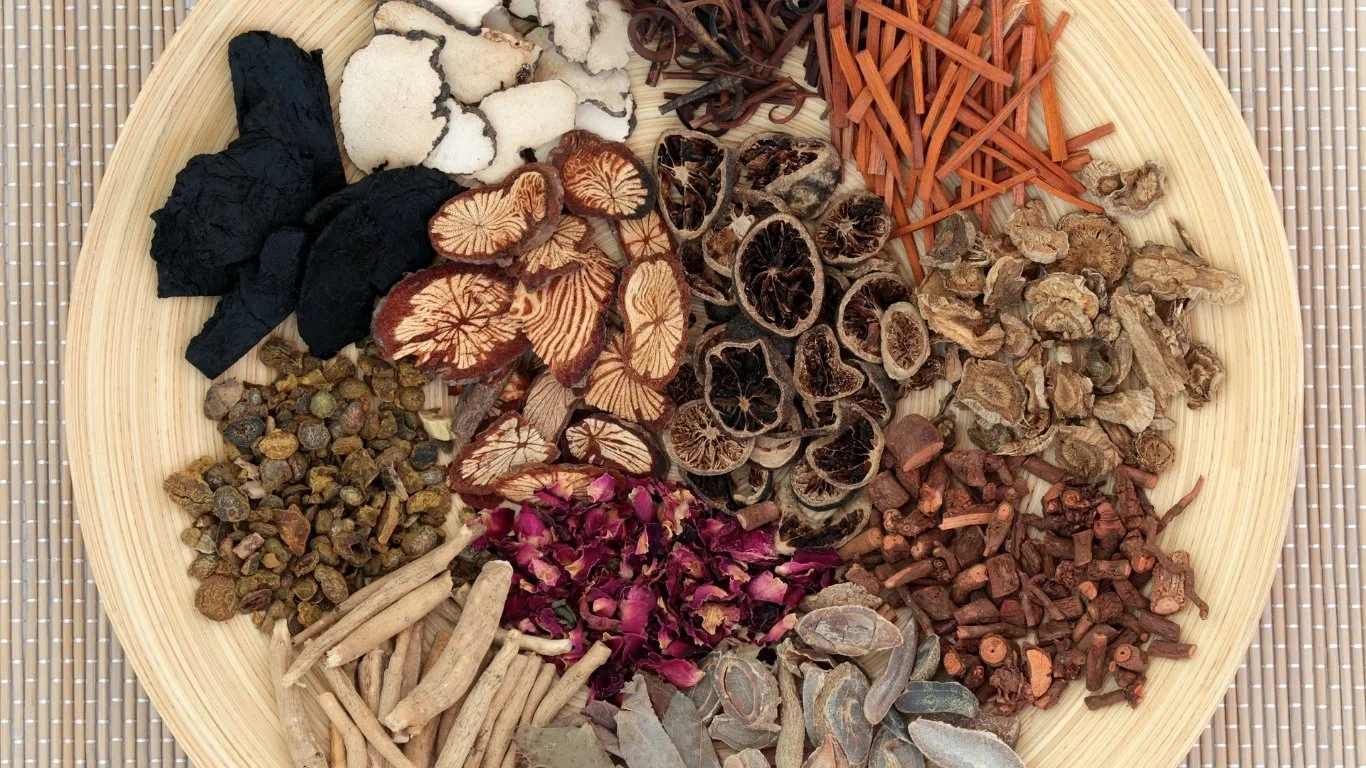
Chinese herbal medicine has shaped modern healthcare in remarkable ways. In 2015, Dr. Tu Youyou won the Nobel Prize for isolating an active compound from qing hao (Artemisia annua), a herb used in TCM for thousands of years - a discovery that transformed malaria treatment worldwide.
A 2,000-Year-Old System, Still Relevant Today
More than 300 commonly used herbs today have been part of Chinese medicine for over two millennia.
Their long history reflects not only tradition, but continued test, study, and effectiveness across a wide range of conditions.
How herbal medicine works
Chinese herbal medicine is grounded in pattern differentiation - a diagnostic method that looks at the underlying cause of symptoms rather than treating them in isolation. Based on tongue and pulse findings, symptom presentation, and overall constitution, a specific pattern of imbalance is identified.
Treatment then addresses both the root (underlying cause) and the branch (presenting symptoms). This dual focus helps support deeper and more lasting change in the body’s systems.
Herbal formulas are synergistic, meaning they combine multiple herbs that work together to regulate, strengthen, or clear specific physiological patterns. Herbs are rarely used on their own; each ingredient plays a defined role within the overall formula.
As your condition changes, so does your prescription. Formulas are adjusted over time to reflect shifts in your pattern, ensuring treatment stays responsive, targeted, and clinically appropriate.
Understanding herbal formulas
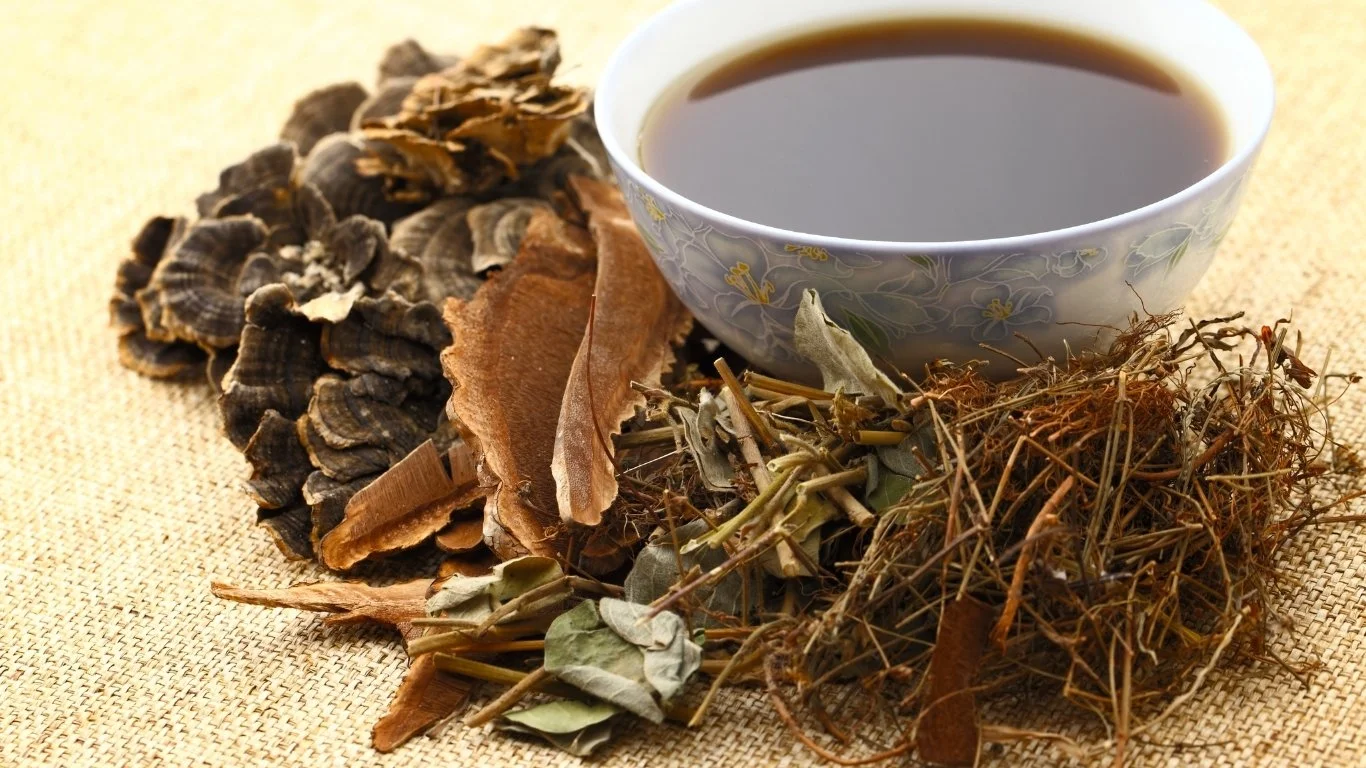
Unlike Western herbalism, where single herbs are often used alone, Chinese herbs are almost always combined into formulas.
These formulas are structured intentionally:
Chief herbs address the primary imbalance
Deputy herbs support secondary concerns
Assistant herbs moderate and harmonise the formula
Envoy herbs guide the actions to specific organs or regions
This creates a synergistic effect - herbs working together like an ecosystem rather than isolated ingredients. Each herb enhances, moderates, or directs the others, making the formula more effective.
Personalised and responsive
The same group of herbs, adjusted in dosage or proportion, can treat a wide range of conditions. This gives TCM formulas incredible versatility and makes them highly personalised to the individual, rather than the diagnosis alone.
A supportive, clinically-grounded approach
Chinese herbal medicine can play different roles depending on your needs:
Serving as a primary treatment, depending on the condition
Enhance the effectiveness of drug therapy
Reduce medication side effects
Support long-term balance and resilience
With proper diagnosis and carefully constructed formulas, herbal medicine provides a grounded, time-tested approach to supporting health from within.
Our commitment to integrity
Herbal medicines prescribed are selected for their quality and regulatory compliance. Every product holds an official Health Canada Natural Health Product (NHP) number, meeting strict criteria for safety and efficacy.
Each formula is further supported by independent testing for heavy metals, pesticides, and microbial contaminants, ensuring remedies that are both traditional in wisdom and uncompromising in purity.
Benefits:
Improved regulation of stress and sleep - helping calm the nervous system, settle the mind, and support more restorative rest.

Enhanced resilience and energy - gently improving vitality, stamina, and overall system function.
Digestive support- addressing bloating, irregularity, discomfort, or sensitivity by balancing digestive function.
Immune and respiratory support - assisting the body in recovering from seasonal illnesses or strengthening its natural defences.
Hormonal and menstrual regulation- supporting cycle regularity, hormonal balance, PMS symptoms, fertility considerations, and menopausal transitions.
Reduced pain and inflammation - helping address headaches, muscle tension, or chronic inflammatory patterns.
Common areas of support include:
Stress & anxiety
Immune support
Fatigue or low energy
Colds, flu recovery
Skin conditions
Muscle tightness
Digestive discomfort & irregularity
Mild respiratory concerns
….and more
Fertility, pregnancy & postpartum
Sleep disturbances / insomnia
Menstrual pain & PMS
Headaches & tension patterns
Cycle irregularities
Perimenopausal symptoms
Long-term system regulation
( Herbal treatment is tailored to the individual, and David can help determine whether it’s appropriate for your specific concerns. )
Ready to explore how herbal medicine can support you?
FAQs
-
Herbal prescriptions are created after a full Traditional Chinese Medicine (TCM) assessment, which includes a review of your health history, tongue and pulse findings, and the specific symptoms you are currently experiencing. This allows your practitioner to identify the underlying pattern of imbalance and select a formula tailored to your needs.
Receiving Your Prescription
Most formulas are dispensed as granules (powder). Granules are mixed with warm water and taken once or twice daily, depending on the prescription. In some cases, tinctures, capsules or other preparations may be used when clinically appropriate.
Dosage & Instructions
You will receive clear instructions on:
How often to take the formula
How much to take
Whether to take it with or without food
What to expect in the first few days
Formulas are typically taken daily. Consistency supports better results and allows the formula to work with the body’s natural rhythms.
-
Your presentation may change as treatment progresses. Follow-up appointments allow David to reassess your pattern and adjust the formula accordingly - changing dosages, modifying certain herbs, or shifting to a different formula if your condition evolves.
This responsiveness is one of the strengths of Chinese herbal medicine: the prescription adjusts alongside your body rather than remaining static.
-
After an in person or online consultation formulas can be:
Picked up at the clinic
Mailed to your home (Additional shipping cost will be added)
-
Each bottle contains 100g; some formulas are taken for a short period (1–2 weeks), especially for acute conditions. Others may be used for longer periods, with modifications along the way, for more chronic or complex patterns.
depending on the dose needed to treat your condition a bottle will usually last between 9 to 12 days.
-
Often yes, but this must be assessed individually. Herbal formulas are selected with careful consideration for potential interactions.
-
Personalised formulas
Responsive adjustments
Integrates with acupuncture
Long-term support
Herbal medicine also integrates seamlessly with acupuncture, enhancing overall therapeutic outcomes and supporting both immediate relief and long-term balance.
-
Although they may appear similar, Chinese herbal formulas and nutritional supplements serve different purposes.
Herbal medicine is based on pattern differentiation—the TCM method of identifying the underlying imbalance rather than treating symptoms alone. Formulas combine multiple herbs with defined roles, creating a synergistic effect that can be adjusted as your pattern changes. This makes herbal treatment dynamic and responsive.
Supplements, on the other hand, are usually aimed at providing isolated nutrients or addressing a single symptom (such as low iron, stress, or sleep difficulty). They are rarely personalised, and their effects do not adapt over time.
Both can be useful, but herbal medicine offers a level of precision, integration, and customisation that supplements do not typically provide. When appropriate, supplements can be used alongside herbal treatment- with personalised guidance to ensure safety and effectiveness.
-
Initial Consultation
Available in person or virtually
Includes a full TCM assessment, health history review, tongue and pulse analysis (modified for virtual), and an individualised treatment plan.
$150 CAD in person (75mins)$130 CAD Virtual (45 to 60 mins)
Follow-Up Consultation
Available in person or virtually
Focuses on tracking your progress, adjusting your herbal formula, and refining your treatment plan as your pattern shifts.
$130 CAD In Person (60 mins)$65 CAD Virtual (30mins)
Herbal formulas are priced separately and vary depending on the prescription.
-
We do not take insurance in the clinic. However, we do provide you with an electronic receipt that you can submit to your insurance. Each individual's insurance coverage varies, therefore we recommend checking with your provider.