What is Traditional Chinese Medicine (TCM)?
A HOLISTIC SYSTEM OF HEALING
Traditional Chinese Medicine (TCM) is one of the oldest continuously practiced medical systems in the world. Rooted in over 2,000 years of clinical observation, TCM views the body as an interconnected ecosystem where physical, emotional, and environmental factors all influence health. Rather than treating symptoms in isolation, TCM works with the body, mind, and spirit as an integrated whole, restoring balance and a deeper sense of wellbeing.
The foundation: Qi, balance & harmony
At the heart of TCM is the concept of Qi (pronounced “chee”) - the vital energy that animates the body and flows through pathways called channels or meridians.
When Qi is balanced and moving smoothly, we experience health.
When Qi becomes depleted, blocked, or imbalanced, symptoms can arise such as pain, tension, digestive issues, emotional imbalance, fatigue, or poor sleep etc…
TCM aims to restore harmony to this internal landscape so the whole system functions smoothly.
How Acupuncture Works
Acupuncture activates the body’s own communication networks - known in Chinese medicine as meridians / channels. These pathways carry Qi, or vital energy, throughout the body.
By gently stimulating specific points along these meridians, acupuncture restores balance, encourages circulation, calms the nervous system, and supports both physical and emotional wellbeing.
Healing the whole person, not just the symptom
In Traditional Chinese Medicine, the body, mind, and spirit are seen as deeply interconnected. A symptom in one area often reflects an imbalance elsewhere. TCM practitioners look beyond isolated issues to understand how organ systems, emotions, and lifestyle interact, creating a complete picture of health. By treating the root of the imbalance and supporting the body’s natural ability to heal, TCM helps restore harmony and long-term wellbeing, not just temporary relief.
Key modalities of TCM:
Acupuncture
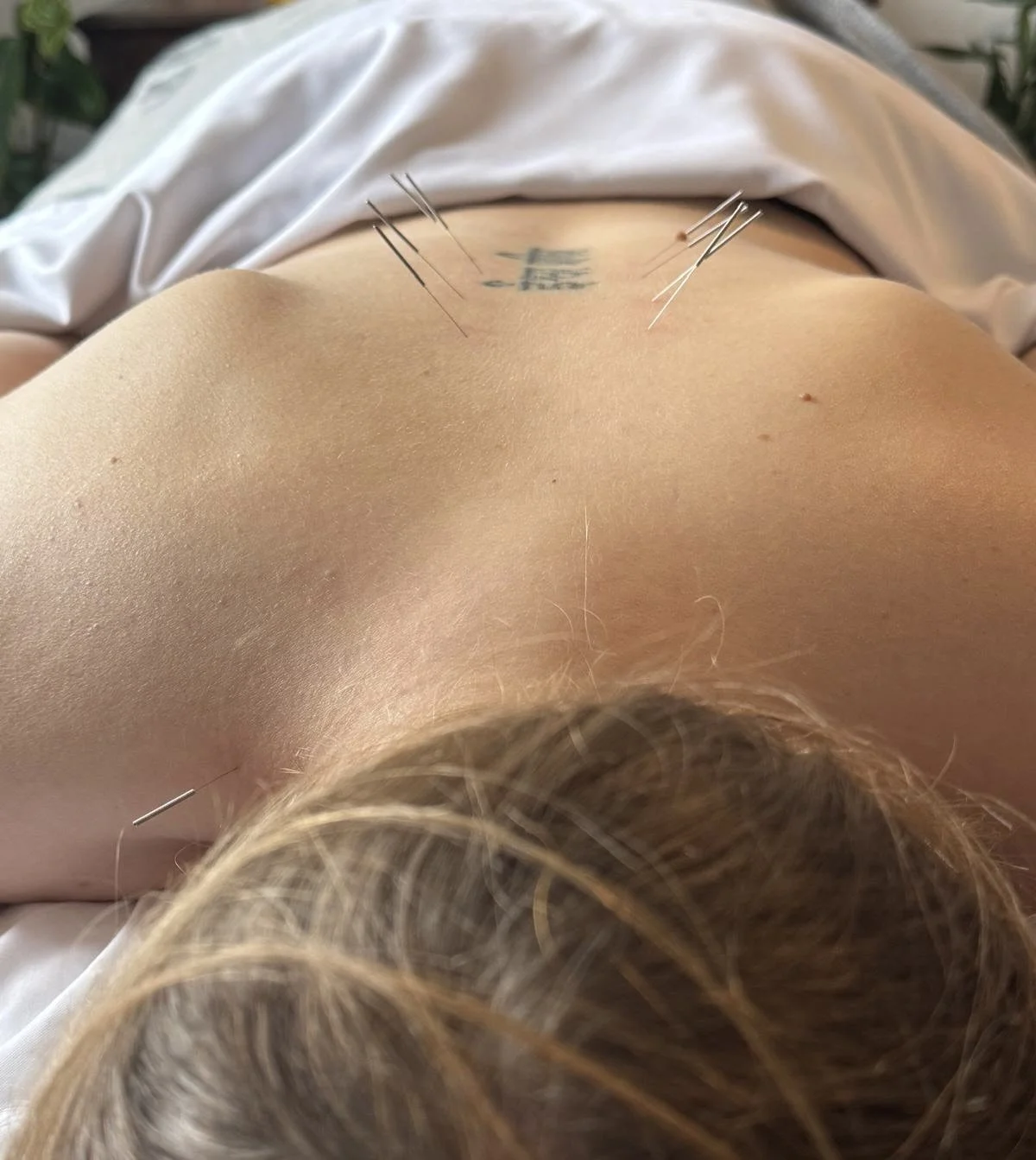
Fine, sterile needles are placed at specific points to influence Qi flow, calm the nervous system, relieve pain, and support organ function.
Chinese herbal medicine
Custom herbal formulas address underlying patterns of imbalance and support long-term healing, often used to support digestion, sleep, skin health, hormone balance, menstrual cycle regulation in women, and emotional well-being.
Cupping therapy
Gentle suction is used to release muscular tension, move stagnation, and increase circulation.
Lifestyle & dietary guidance
TCM recognises that everyday rhythm, food choices, stress, and environment deeply affect wellbeing. Simple recommendations can help maintain progress between sessions.
Acupuncture & sound healing
Sound is a natural complement to acupuncture, helping regulate the nervous system, settle the mind, and help us access deeper states of relaxation and healing.
Why people choose TCM
TCM is sought out for a wide range of concerns, including:
Stress and anxiety

Fertility & pregnancy
Skin conditions
Emotional regulation
Muscle tightness
Hormonal and menstrual imbalances
Chronic or acute pain
General wellbeing and prevention
Digestive concerns
Fatigue or burnout
Arthritis
Allergies
Insomnia and sleep issues
Asthma
Aging with ease
TCM is also commonly used alongside Western medicine to support recovery, reduce side effects, and strengthen overall resilience.
Benefits:
Improved regulation of stress and sleep - helping calm the nervous system, settle the mind, and support more restorative rest.
Enhanced resilience and energy - gently improving vitality, stamina, and overall system function.
Digestive support- addressing bloating, irregularity, discomfort, or sensitivity by balancing digestive function.
Immune and respiratory support - assisting the body in recovering from seasonal illnesses or strengthening its natural defences.
Hormonal and menstrual regulation- supporting cycle regularity, hormonal balance, PMS symptoms, fertility considerations, and menopausal transitions.
Reduced pain and inflammation - helping address headaches, muscle tension, or chronic inflammatory patterns.
FAQs
-
Acupuncture works by gently guiding the body back toward balance.
Research shows that acupuncture can influence the nervous system in profound ways - calming stress responses, improving circulation, and activating the body’s natural self-healing capacity.Our bodies are designed to heal when given the right conditions.
Through precise, mindful treatments, acupuncture helps restore that internal harmony - supporting the immune system, relieving pain, easing tension, and improving energy flow across both body and mind.When balance is restored, the body remembers how to thrive.
-
Most people are surprised by how gentle acupuncture feels.
The needles used are extremely fine. You may feel a light pinch or a momentary tingling as the needle is inserted, but this sensation often shifts quickly into warmth, heaviness, or deep relaxation.Even those who arrive feeling nervous about needles usually find the experience soothing and restorative.
Your comfort is always the priority. If at any time you feel discomfort, David will adjust or remove the needle immediately. -
Yes. When prescribed by a registered TCM practitioner, herbs are sourced from reputable suppliers, tested for quality, and tailored to your constitution.
-
Absolutely. TCM often complements Western treatment - supporting recovery, mitigating side effects, and improving overall resilience.
-
This depends on your condition and constitution. Acute issues may shift in 1–3 sessions; chronic or long-standing patterns may require a series of treatments for deeper transformation.
-
Yes - acupuncture is both safe and beneficial during pregnancy when provided by a qualified practitioner.
Prenatal acupuncture can help ease common symptoms such as nausea, fatigue, tension, and emotional changes, while supporting your body’s natural preparation for birth.
In the later stages of pregnancy, gentle treatments are often recommended to encourage relaxation, optimal positioning, and readiness for labour.
-
After acupuncture, your body continues to process and integrate the effects of the session.
It’s best to rest and keep things gentle. Avoid alcohol, caffeine, and heavy or processed foods for the remainder of the day. Strenuous exercise or high-intensity activity can interrupt the body’s natural rebalancing - this is a time to let your system settle and restore.Drink plenty of water, eat nourishing foods, and allow space for stillness. Rest is part of the medicine.
-
Acupuncture works best when you create space for your body to respond. To prepare, eat a light meal before your appointment, stay hydrated, and avoid arriving rushed if possible.
During your treatment, allow yourself to soften into stillness; your only job is to breathe and receive. Afterwards, give yourself time to integrate. Notice any shifts in mood, sleep, or energy over the next few days; these small changes are part of the healing process.